Every seasoned card player knows the quiet frustration of watching a hand open with a limp, that soft call of the big blind that barely whispers into the pot. It happens in backroom games on Geelong’s waterfront and in polished rooms where the air conditioning hums louder than the chatter. Understanding why do poker players limp is less about memorising a rulebook and more about reading the intent behind a hesitant bet. When you know what that passive entry signals, you stop reacting to the cards and start reading the room.
Reading the Table Before You Play Your First Hand
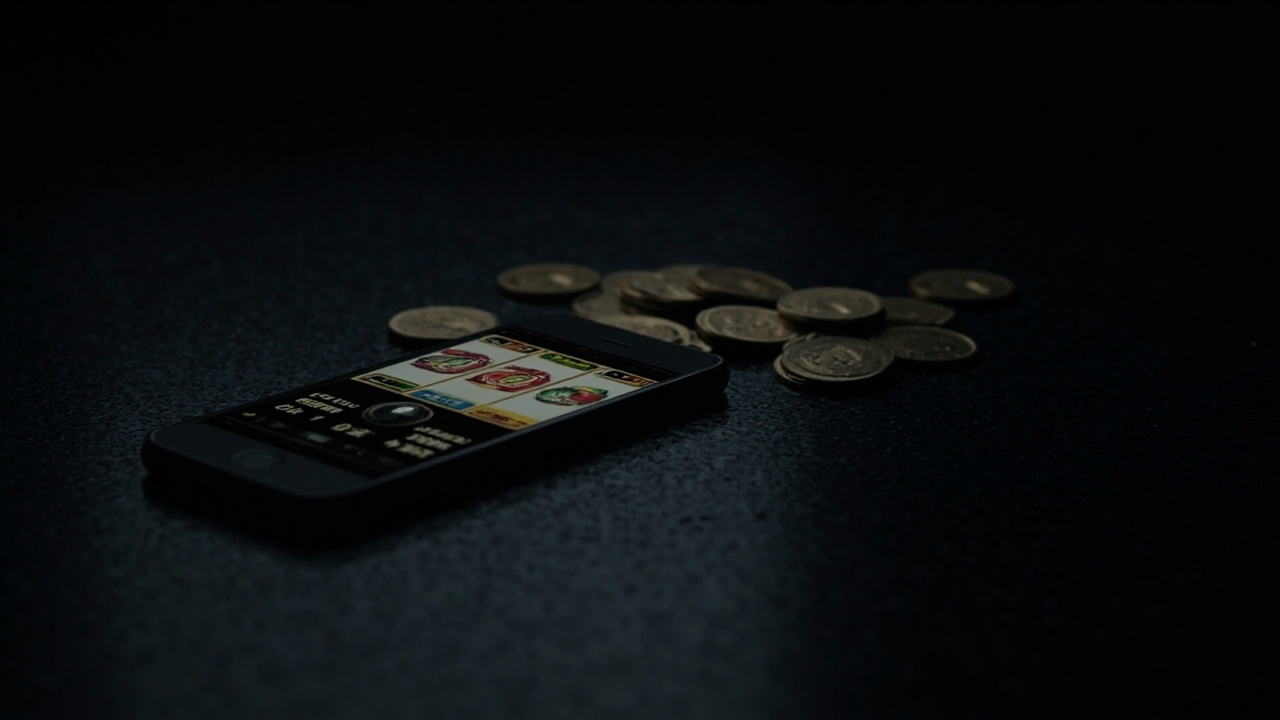
Before you ever touch a screen or slide a chip forward, the real work begins with the signup and verification steps that separate casual browsers from committed players. A proper registration flow asks for age confirmation, identity documents, and a payment method that matches your stated location, which is exactly how a reputable operator keeps the game fair for everyone. You should weigh whether the first deposit threshold suits your bankroll, because a modest entry point lets you test the software without committing too heavily on night one. Bonus activation usually follows a clear wagering path, and the smart play is to read those terms before you chase a rocket play casino no deposit bonus codes offer that might lock your first session behind extra rollover requirements. The first time you sit down, treat the interface like a new pub table: check the felt, notice the lighting, and make sure the seat feels right before you commit to a long arvo session. When verification is handled cleanly and the first deposit lands without friction, you can focus on the cards instead of paperwork.
The Limp as a Quiet Probe Into Your Opponents
A limp rarely means weakness on its own, because position and table texture change what that passive call actually communicates. In early position, a limp often signals a hand that wants to see a cheap flop without committing the whole stack, while in late position it can be a deliberate probe to gauge who will raise and who will fold. Think of it like a fisherman casting a line off the Barwon River: you are not trying to haul in a catch immediately, you are testing the current and watching which way the water moves. Cardano’s work analysed dice odds centuries before formal probability theory, and that same patient observation applies here, because the player who limps is gathering information rather than forcing action. You should weigh whether the table is tight enough to punish that entry or loose enough to let it see a multiway pot, because the answer changes whether you raise, isolate, or simply fold and wait for a stronger spot. The decision comes down to how much information you need before you put your own money at risk. rocket play casino no deposit bonus codes
What a First Session Actually Tests Beyond the Bonus
The first session should be treated as a calibration exercise, not a sprint to convert a promotion into profit. You want to see how the software handles multiway pots, whether the dealer speed matches your rhythm, and how the loyalty points accumulate when you play a measured number of hands rather than chasing every flop. Olivia Williams, Commercial Director, Red Centre Analytics, notes that “players who treat the first hour as a diagnostic run usually spot the table pace and bonus mechanics far faster than those who rush into marginal spots.” That observation matters because a rushed first session hides the real cost of frequent limps into marginal hands, which can drain a bankroll faster than a single bad beat. You should also check whether the mobile layout keeps your position markers clear and whether the support channel responds when a verification question pops up mid-session. A calm first hour tells you more about the room than any marketing claim ever could.
| Detail | What It Means at the Table |
|---|---|
| Registration and verification | Age and identity checks before the first deposit keeps the game compliant and the pool honest |
| Bonus activation | Clear wagering terms let you plan a first session without surprise rollover pressure |
| First deposit threshold | A modest entry point lets you test position play and limp reads without overcommitting |
| Mobile layout | Clear seat markers and readable pot sizes help you track who limps and who raises |
| Loyalty accrual | Steady hands build points faster than chasing every marginal entry |
Weighing Position, Pot Odds, and When to Fold
The final question you should weigh is whether a limp actually serves your strategy or simply delays a hard decision. When you hold a hand that plays well postflop, a raise can thin the field and protect your equity, while a limp often invites multiple players into a pot where your edge gets diluted. On the other hand, a well-timed limp can keep the pot small when you are out of position and waiting for a clearer read, which is the kind of disciplined restraint that separates steady players from reckless ones. You should also factor in the pot odds and the implied odds of a multiway pot, because a cheap entry rarely stays cheap once three or four opponents see the flop. When the table dynamics shift and the blinds start pressing, folding a marginal hand becomes the smarter play, even if it feels uncomfortable to sit out a few orbits. The right call is the one that keeps your bankroll intact for the next honest opportunity.

Knowing why do poker players limp comes down to reading intent, not just counting cards, and the same careful thinking applies to how you choose a room and approach your first session. A clean registration, a transparent bonus structure, and a first hour spent observing rather than chasing will tell you more than any hurry-up promotion ever could. Play the player, respect the position, and let the quiet hands speak before you commit your stack.